WRD Platform Comparison

Orange Bat QC vs Spider 4M

Modular Adaptability vs. Integrated Consistency: Comparing WRD's dual drill-driven platforms to find the right workflow for your auto glass technicians.

Orange Bat QC Modular Quick-Connect
Spider 4M Integrated Self-Anchoring
Spindle Drive Cordless Drill Powered
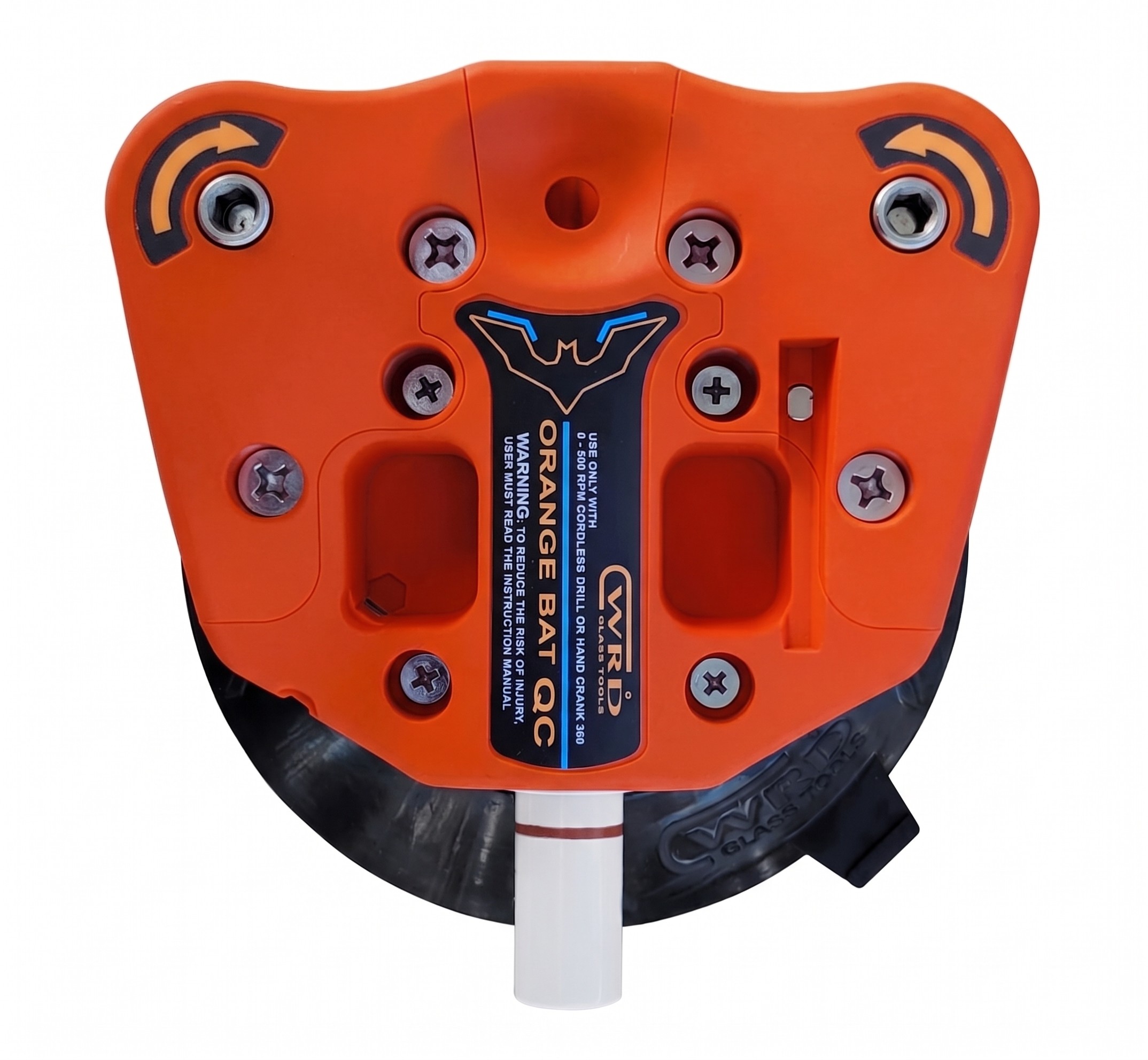
WRD Orange Bat QC Assembly
Flexible Format Orange Bat QC

Compact suction cup docking design with quick-connect ports for modular component swapping.

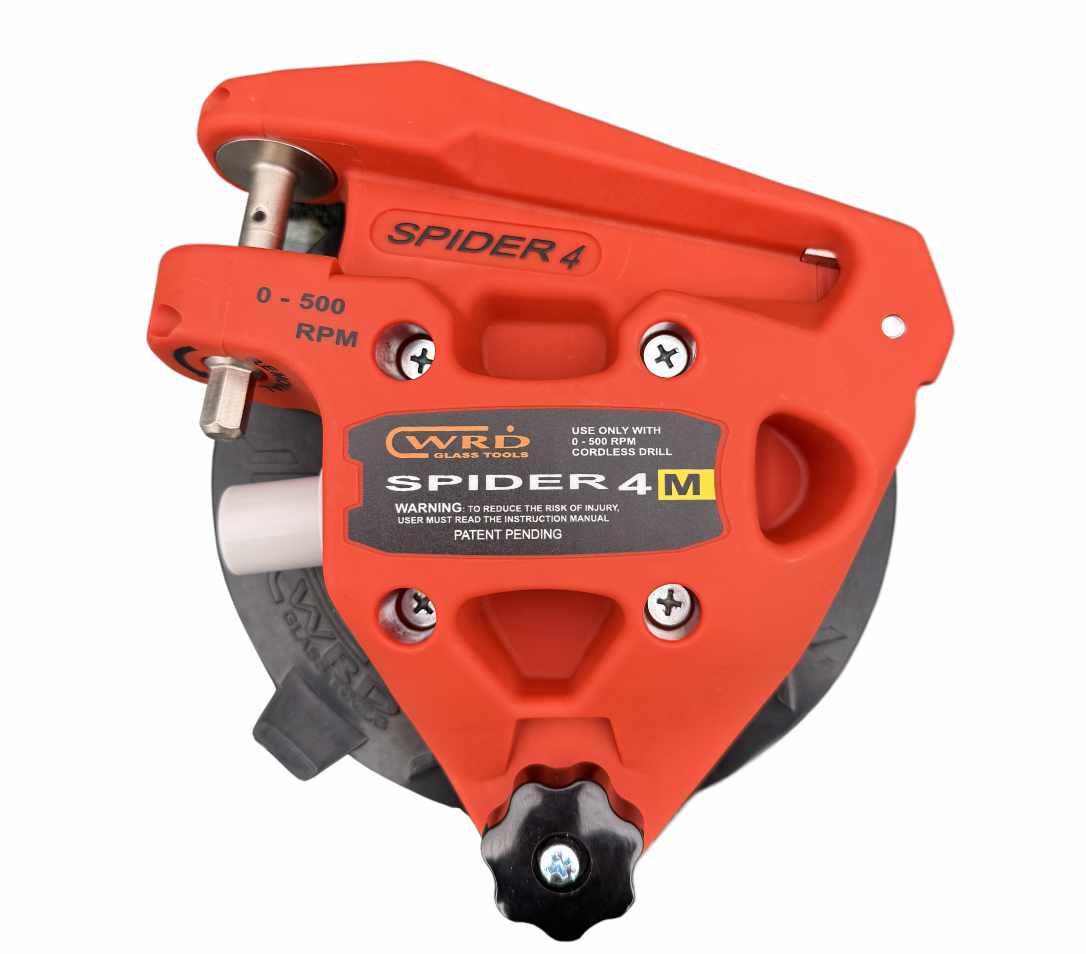
WRD Spider 4M Assembly
Integrated Format Spider 4M

Self-anchoring steel housing with projecting male hex spindle and built-in chassis notch.

Orange Bat QC

Modular Adaptability

WRD Orange Bat QC (Outline)
  • Modular quick-connect port design
  • Dual-spindle reciprocating saw cut capability
  • Ultra-lightweight: 0.69 kg (1.52 lb)
  • Compact length: 158 mm (6.22 in)
  • Dual spindles ideal for small quarter glass

Spider 4M

Integrated Repeatability

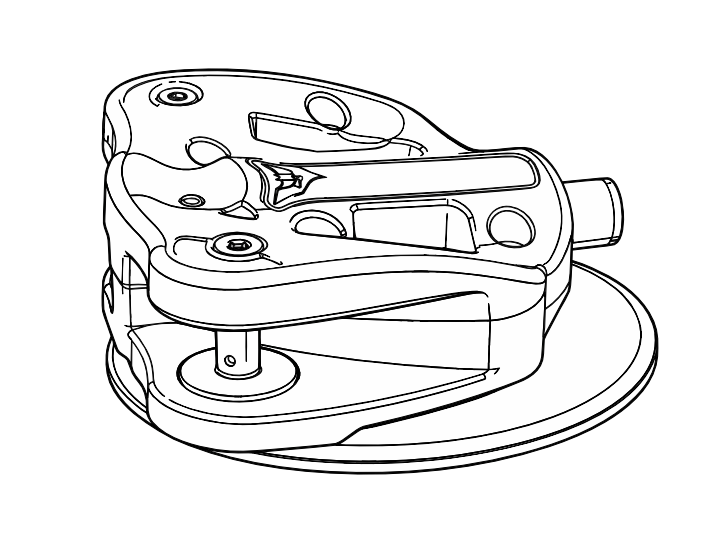
WRD Spider 4M (Outline)
  • Single-spindle with automated deflection roller
  • Integrated self-anchoring frame layout
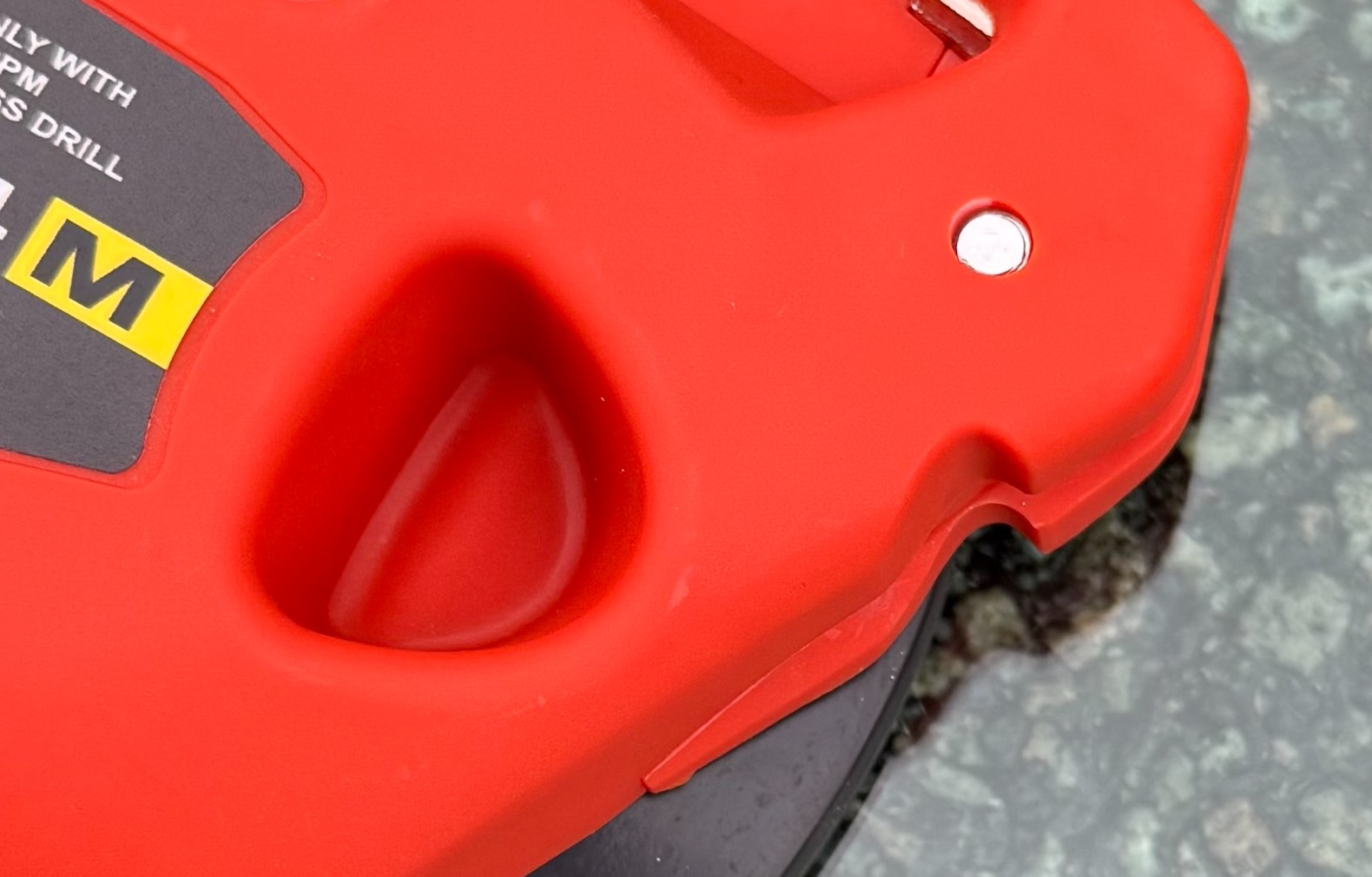
  • Machined door striker notch anchor
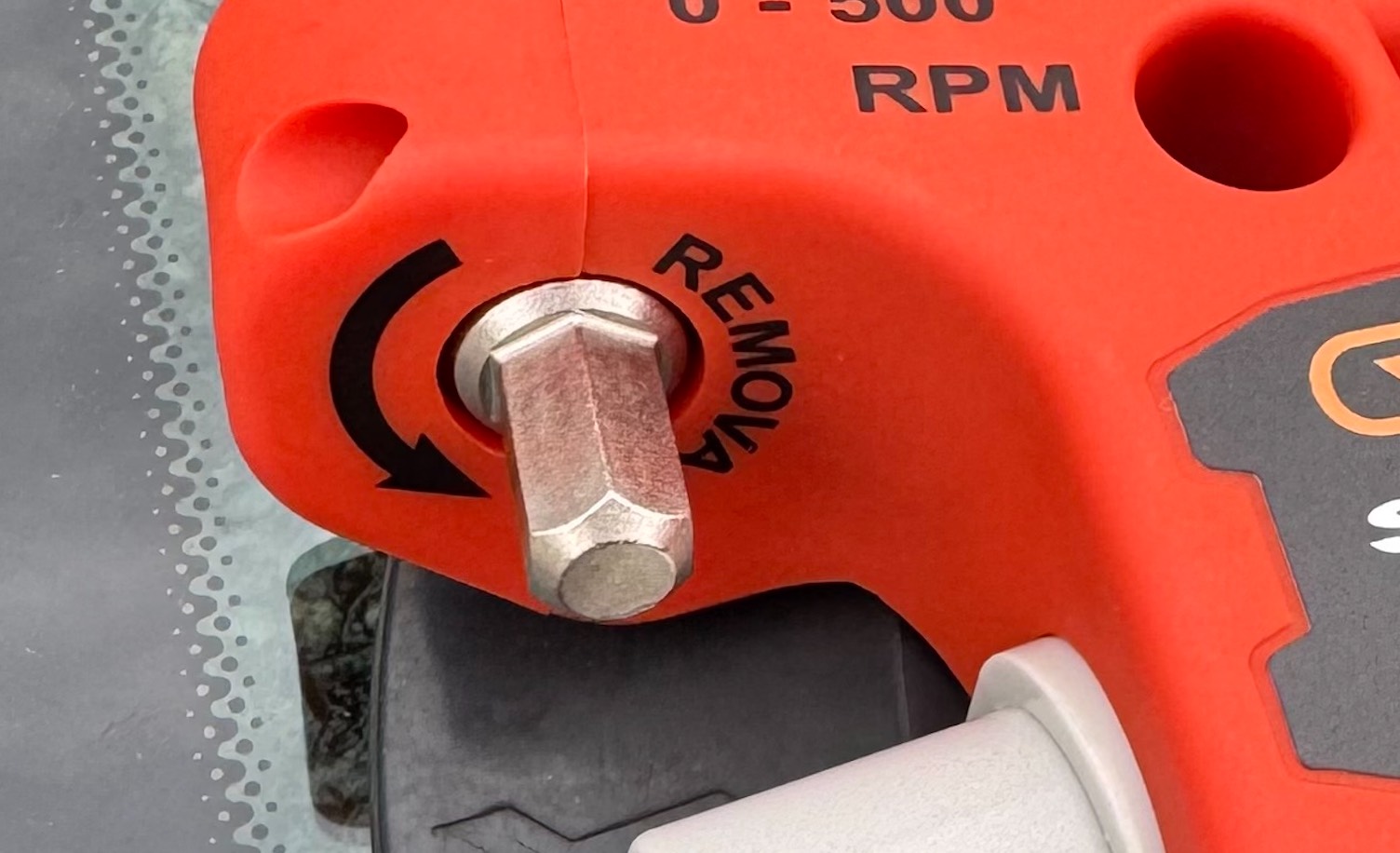
  • Projecting male hex spindle & S4DS socket
  • Reinforced spindle gears & bearings

Key Architectural Differences

Orange Bat QC Modular Docking Setup

1 Modular Reciprocating Winding vs. Single-Frame Automated Tracking

Line Winding & Management
Orange Bat QC: Features a dual-spindle architecture designed as a direct-on-glass winder. Technicians manually alternate winding between left and right spools to perform a reciprocating, sawing shear-cut, which easily cuts through thick adhesive pockets, clips, and locator pins.
Spider 4M: Utilizes a single-spindle design integrated with a precision deflection roller. The deflection roller automatically tracks and winds the fiber line evenly onto the central spool during winching, preventing line overlapping and tangles without manual operator intervention.
  • Orange Bat QC: Reciprocating sawing cut prevents line breakage on locator pins
  • Spider 4M: Single-spindle design with automated tracking prevents tangles
  • Both platforms pull high-tensile WRD lines to safely slice polyurethane
Orange Bat QC Quick Connect Spindle Port

2 Perpendicular Drive & Crank vs. Parallel Side Drive

Spindle Drive & Speed Modulation
Orange Bat QC: Uses top-down, perpendicular female 1/4" hex spools driven vertically. Supports the manual Hand Crank 360 for high-precision, tactile feel near defroster lines or VIN plates. Uses the U-bit stopper to lock the passive spool and docks directly with the PRO6-IS windshield installation system.
Spider 4M: Employs a side-parallel projecting male-hex spindle. Driven horizontally using the WRD-AD2 Angle Driver 2.0 (1.5 gear ratio for smooth torque control) and the S4DS deep socket. The male-hex spindle drastically reduces wobble and enables rapid bit coupling.
  • Orange Bat QC: Perpendicular drive supports Hand Crank 360 & PRO6-IS docking
  • Spider 4M: Side drive via Angle Driver 2.0 reduces drill wobble & wrist strain
  • Both platforms feature reinforced spindle gears and bearings in their M/QC iterations
Spider 4M Door Striker Notch

3 Dual-Spindle Routing vs. Door Striker Anchoring

Mechanical Anchor & Placement
Orange Bat QC: Leverages its dual-spindle architecture directly on the glass. The dual independent winding spools allow the technician to route and tension lines in both directions from the same compact unit, making it the primary method for extracting small, encapsulated quarter windows.
Spider 4M: Casts a heavily reinforced Door Striker Notch directly into the D-frame. Technicians can physically hook the tool body onto the vehicle's steel door striker bar, utilizing the structural chassis as the anchor point and bypassing the need for glass suction.
  • Orange Bat QC: Dual-spindle winching manages entire cutout directly on small glass
  • Spider 4M: Striker notch hooks to chassis for cup-free quarter glass removals
  • Both systems prevent body paint damage by using high-strength synthetic fiber lines
Orange Bat QC Compact Winding Spool

4 Glass Footprint & Tool Portability

Weight & Dimensions
Orange Bat QC: Weighs only 0.692 kg (1.52 lb) with a highly compact tool length of 158 mm (6.22 in). Minimizes glass stress and is highly agile on curved panels.
Spider 4M: Weighs 1.48 kg (3.26 lb) with a sturdier integrated D-frame structure. Slightly larger footprint but groups all line tracking and winching mechanics into a single unit.
  • Orange Bat QC: Ultra-lightweight and compact body minimizes glass stress
  • Spider 4M: Sturdy integrated frame standardizes high-volume shop bays
  • Both systems utilize high-grip 6-inch (150 mm) suction pads with hand pumps
WRD Suction Cup Setup and Tool Anchoring

5 Separate Static Anchor vs. Integrated Self-Anchoring

Anchoring Evolution & Setup
Orange Bat QC: With the QC variant, the toolkit was upgraded to include the WRD-A3 anchor cup directly in the box (previously sourced separately), providing the necessary separate static anchor point out-of-the-kit.
Spider 4M: Spider kits have always included the separate WRD-A3 anchor cup. However, during the generation change from Spider 3 to Spider 4, the tool body itself received the design evolution to anchor the line directly on the tool chassis, allowing standard removals without a separate anchor.
  • Orange Bat QC: Added WRD-A3 anchor cup included for routing versatility
  • Spider 4M: Anchoring directly on the tool body cuts setup steps in half
  • Both options supply professional outfitting in their respective 300P kits

Technical Specifications

Specification Orange Bat QC Spider 4M
Platform Type Dual-Spindle Winder Single-Spindle Integrated D-Frame
Winding Mechanics Manual Reciprocating (Alternating dual spools) Automated Line Tracking (Deflection roller)
Spindle Coupling Perpendicular top-down female 1/4" hex (Dual) Side-parallel projecting male hex (Single)
Tool Chassis Weight 0.692 kg (1.52 lb) (Ultra-lightweight) 1.48 kg (3.26 lb) (Rigid chassis)
Tool Dimensions 158 mm (6.22 in) length (Compact) Standard D-Frame footprint
Anchoring Method Separate WRD-A3 cup included in kit Anchors directly on tool body (since Spider 4); separate WRD-A3 cup also included
Suction Cup Diameter 6 in (150 mm) 6 in (150 mm)
Door Striker Notch Not available Integrated D-frame notch NEW
Spindle Durability Reinforced spindle gears & bearings NEW Reinforced spindle gears & bearings NEW
Standard Winding Mode Manual (Hand Crank 360) & Cordless Drill Cordless Drill only
Default Cutting Line PN8 Spider Line (Unmarked continuous, 1.00mm) P8 Spider Line (Pre-marked intervals, 1.00mm)
Compatible Cutting Lines P6, X, PN8/P8, P10, FN9 (flat ribbon) P6, X, P8/PN8, P10, FN9 (flat ribbon)
Drill Speed Range 0-500 RPM (perpendicular orientation) 0-500 RPM (via AD2 Angle Driver 1.5 ratio)
Warranty 1 Year 1 Year

Which Platform Fits Your Workflow?

Orange Bat QC

Choose the Orange Bat QC if you are an independent installer or mobile technician who services varied vehicle shapes, small quarter glass, and highly curved back glass. The compact dual-spindle design and reciprocating saw cut offer unmatched control over stubborn adhesives.

  • Dual-spindle design enables reciprocating saw cuts
  • Ultra-lightweight (0.69 kg) and compact length (158 mm)
  • Dual-spindle layout is perfect for small quarter glass panels

Spider 4M

Choose the Spider 4M if you want a standardized, highly efficient shop-bay workflow that minimizes components on the glass. The integrated self-anchoring D-frame, automated deflection roller guidance, and projecting male hex spindle maximize speed and repeatability.

  • Single-spindle with automated deflection roller prevents tangles
  • Striker notch hooks onto chassis for cup-free anchoring
  • Side-parallel drive reduces drill wobble and wrist strain

Choosing Your Setup: Both systems are designed to wind WRD's signature fiber line using standard cordless drills. The Orange Bat QC offers compact modular flexibility, while the Spider 4M offers integrated, self-anchored efficiency. Choose the workflow that fits your technicians' habits.

Field Insights & Safety Guidelines

Drill Clutch Settings

When powering either the Orange Bat QC or Spider 4M with a cordless drill, use a low or medium mechanical clutch setting. Avoid locked "drill mode" to prevent snapping the line or twisting the tool frame if the line binds on a clip.

Plunger Maintenance

Keep glass surfaces clean and periodically apply a drop of plunger lubricant (e.g., WRD Tube-O-Lube). If a suction pad slowly loses vacuum, check pump seals for debris. Never operate a tool if the red safety indicator line remains visible.

Anchor & Notch Placement

For the Orange Bat QC, select your quick-connect bracket to keep line tension parallel to the glass. For the Spider 4M, ensure the door striker notch is fully seated against the striker before applying winding torque.

What Both Models Share

Both the Orange Bat QC and Spider 4M share the professional-grade foundation that has made WRD the leader in fiber line glass removal technology.

Damage-Free Removal

Damage-Free Removal

Fiber line technology eliminates the risk of paint scratches and pinchweld damage compared to steel wire systems

Ultra-Low Profile

Ultra-Low Profile

Keeps the cutting line close to the glass surface, avoiding pinchweld binding and molding damage

Dual-Spindle System

Dual Spindle Action

Dual spools allow winding from both directions, enabling flexible cutting paths without tool relocation

Cordless Power

Cordless Power

Works seamlessly with any standard cordless drill to automate winding (0-500 RPM recommended)

Ergonomic Operation

Ergonomic Operation

Significantly reduces manual cranking or pulling strain, saving technician energy over long days

Professional Quality

Professional Quality

Engineered and manufactured to WRD's demanding standards for daily industrial windshield work

Ready to Upgrade Your Auto Glass Tools?

Choose the platform that matches your team's workflow