Spider Platform Comparison

Spider 3M vs Spider 4M

Compact Simplicity vs. Integrated Power: Comparing WRD's projecting male-hex winding cup assemblies to find the right anchoring workflow for your shop.

Spider 3M Compact Separate Anchor
Spider 4M Integrated Self-Anchoring
Shared Drive Male Hex Drill Spindle
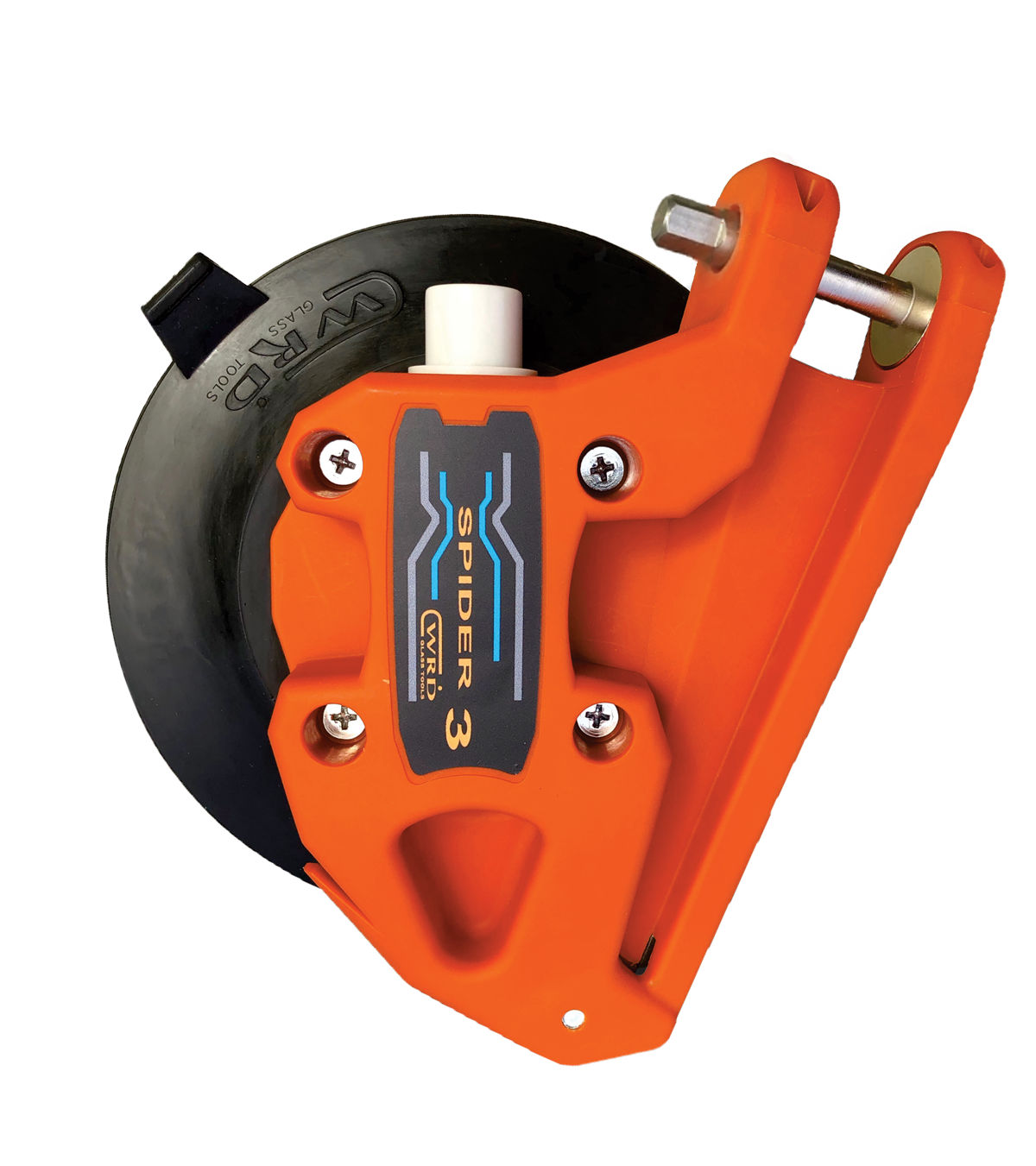
WRD Spider 3M Cup Assembly
Original Format Spider 3M

Compact, ultra-low profile footprint requiring a separate anchor cup for line control.

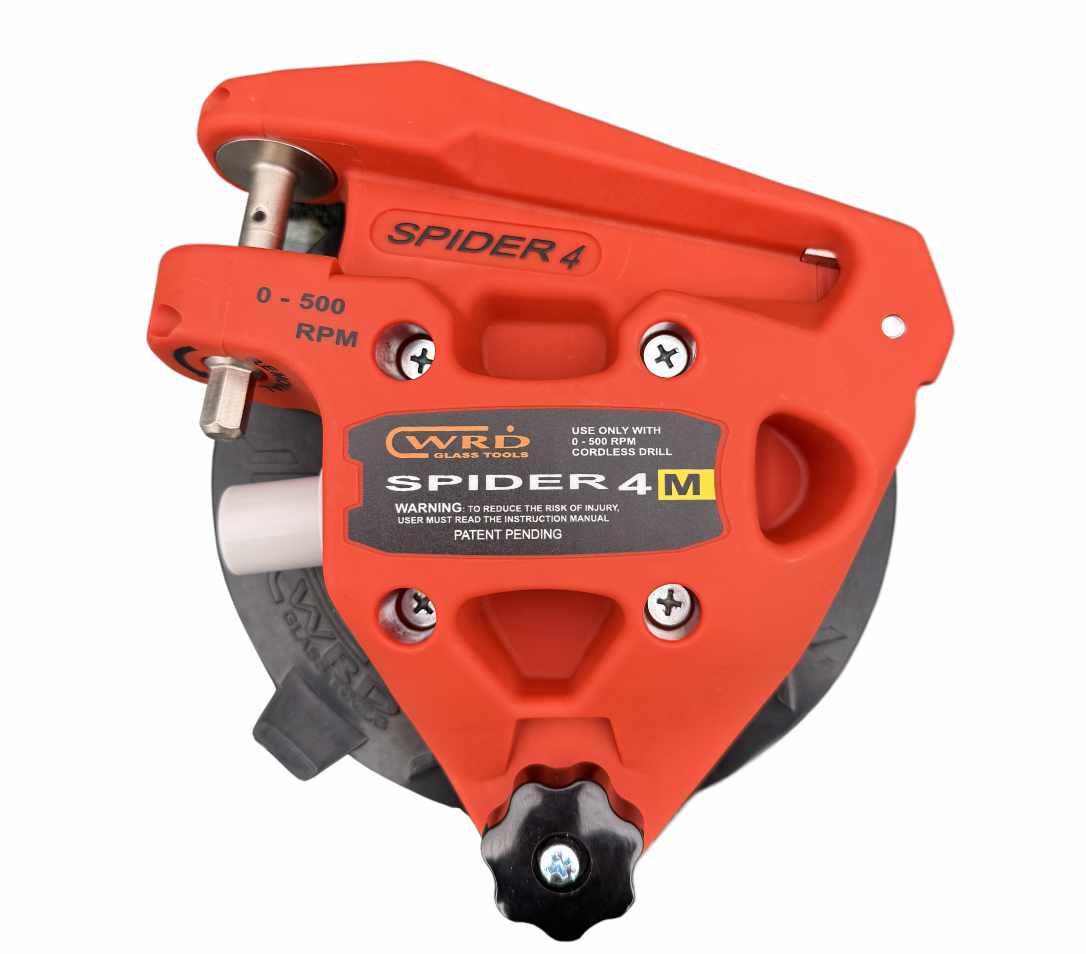
WRD Spider 4M Tool
Refined Format Spider 4M

Integrated winding and anchoring frame with striker notch capability and reinforced gears.

Spider 3M

Compact Format

WRD Spider 3M Glass Removal Tool (Outline)
  • Compact, light cup housing
  • Separate anchoring cup workflow
  • Projecting male hex spindle
  • Ultra-low profile design
  • Cordless drill compatible

Spider 4M

Integrated Format

WRD Spider 4M Glass Removal Tool (Outline)
  • Integrated winding & anchoring
  • Door striker notch feature
  • Enlarged suction pump clearance
  • Arched frame ergonomics

What's New in the Spider 4M Design

Spider 4M Integrated Winding and Anchoring Frame

1 Integrated Self-Anchoring Frame

Workflow Change
Spider 3M: Utilizes a separate anchor suction pad (WRD-A3) placed apart from the main winding assembly to route and redirect the line through the cut.
Spider 4M: Combines the winding spool and anchoring guides into a single structural frame, eliminating the need for a secondary suction anchor in most setups.
  • Spider 3M: Requires placement of two separate suction units on the glass
  • Spider 4M: Winding unit anchors itself, cutting setup steps in half
  • Both support manual hand-crank and power drill drive
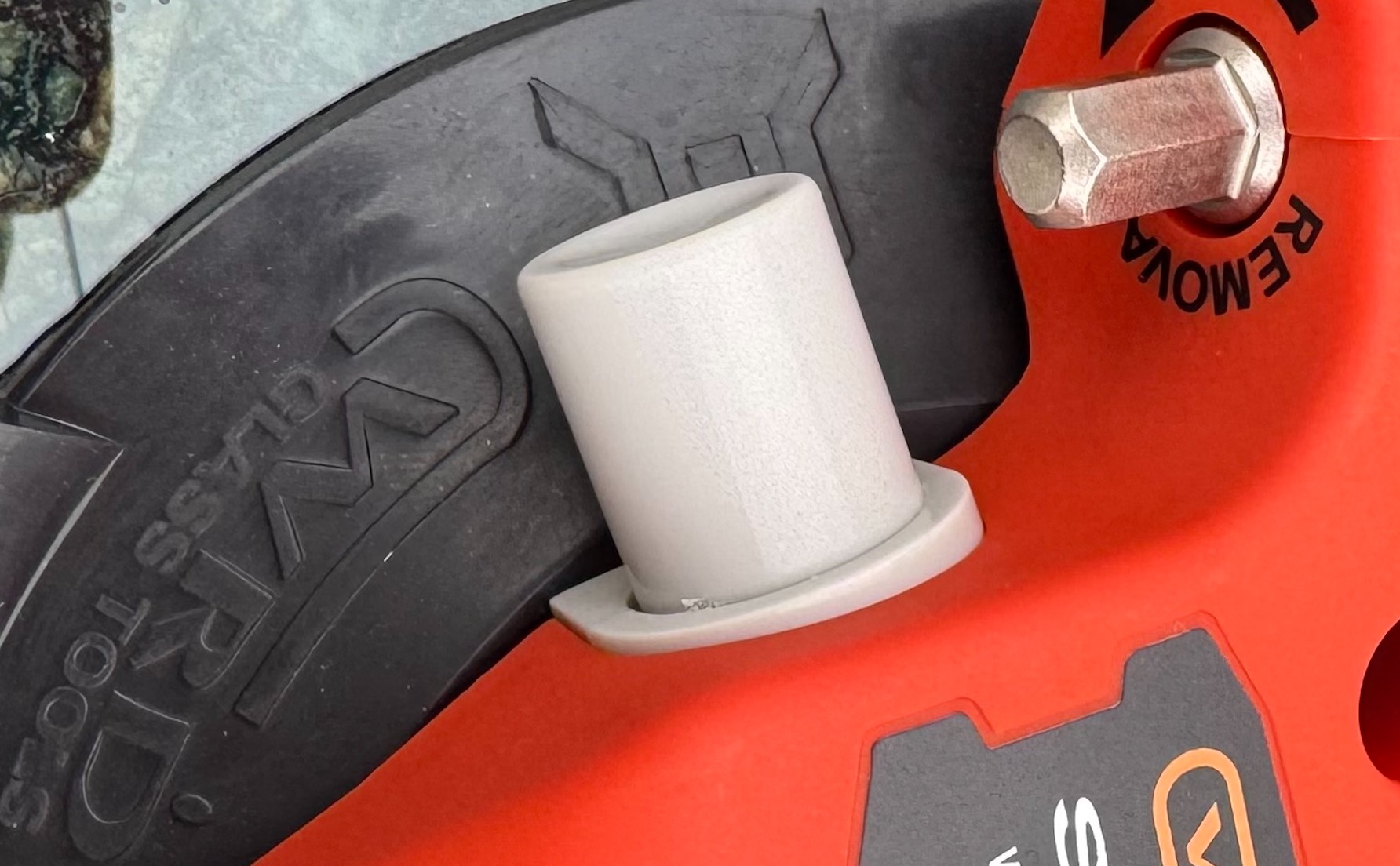
Spider 4M Mechanical Door Striker Anchor

2 Mechanical Door Striker Notch

Mechanical Anchor
Spider 3M: Anchoring requires clean glass space. Quarter glass removals and narrow panels depend on suction pads or extension line runs.
Spider 4M: Incorporates a door striker notch directly on the steel frame. Hooks onto the vehicle's striker to anchor the tool for direct pulls on quarter glass.
  • Spider 3M: Completely dependent on suction anchor placement
  • Spider 4M: Striker notch allows mechanical lock on door anchors
  • Both formats protect glass edges using built-in plastic guide pins
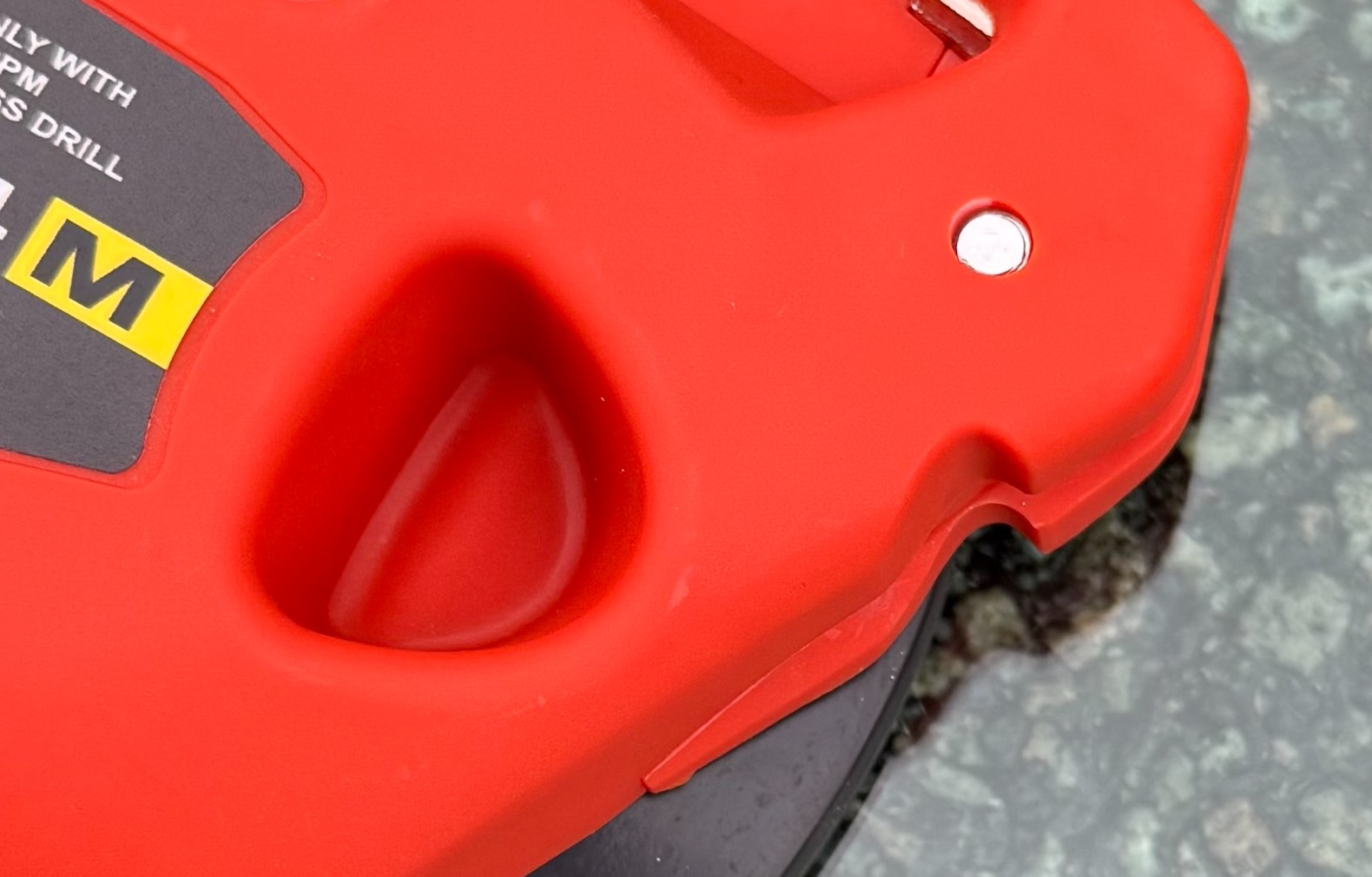
Spider 4M Suction Plunger Finger Access

3 Enlarged Suction Pump Clearance

Usability Improvement
Spider 3M: Minimal clearance around the pump button. Pumping the seal while wearing heavy work gloves can be tight and slower.
Spider 4M: Frame structure is arched outward to expand finger room around the vacuum plunger, allowing rapid sealing.
  • Spider 3M: Standard frame layout limits glove clearance
  • Spider 4M: Arched frame allows quick, unrestricted pump access
  • Both plungers feature red safety lines to monitor vacuum stability
Spider 3M Compact Profile

4 Compact Footprint & Tool Weight

Layout Preference
Spider 3M: Built on a lightweight, ultra-compact suction cup body. Minimizes footprint on the glass and is easier to fit in narrow channels or highly curved windshield quarters.
Spider 4M: Arches slightly wider and heavier to incorporate the self-anchoring guides and plunger spacing, requiring a larger flat landing area to mount.
  • Spider 3M: Light housing is highly maneuverable in tight spots
  • Spider 4M: Sturdier integrated frame with a wider physical footprint
  • Both tools keep spindle height low to optimize torque stability

Technical Specifications

Specification Spider 3M Spider 4M
Frame & Anchoring Layout Separate Anchor Cup required Integrated winding & anchoring
Spindle Connection Projecting Male Hex Spindle Projecting Male Hex Spindle
Door Striker Notch Not available Integrated frame notch NEW
Suction Pump Clearance Standard Enhanced finger room
Spindle Durability Reinforced gears & bearings Reinforced gears & bearings
Low Profile Design Yes (Ultra-Compact) Yes (Standard Frame)
Dual Spindle Winding Yes Yes
Compatible Lines P6, X, P8, P10 P6, X, P8, P10
Recommended Drill Speed 0-500 RPM 0-500 RPM
Warranty 1 Year 1 Year

Which Model Is Right for Your Shop?

Spider 3M

Choose the Spider 3M if you value an ultra-compact footprint and prefer using a separate suction cup (WRD-A3) to guide the cutting line. It is lightweight, requires minimal space, and is perfect for tight curved areas.

  • Ultra-compact size is highly maneuverable
  • Highly flexible line routing with separate A3 cup
  • Excellent for technicians accustomed to classic layouts

Spider 4M

Choose the Spider 4M if you want a faster, self-anchoring workflow with fewer separate components on the glass. The integrated frame, mechanical striker notch, and reinforced gears make it the ultimate high-volume tool.

  • Self-anchoring frame cuts setup steps in half
  • Striker notch is ideal for quick quarter glass setups
  • Reinforced internals built for continuous drill use

Choosing Your Setup: Both systems are designed to wind WRD's signature fiber line using standard cordless drills. The Spider 3M offers compact size and separate-cup flexibility, while the Spider 4M offers integrated, self-anchored efficiency. Choose the workflow that fits your technicians' habits.

Field Insights & Safety Guidelines

Drill Clutch Settings

When powering either the Spider 3M or 4M with a cordless drill, use a low or medium mechanical clutch setting. Avoid locked "drill mode" to prevent snapping the line or twisting the tool frame if the line binds on a clip.

Plunger Maintenance

Keep glass surfaces clean and periodically apply a drop of plunger lubricant (e.g., WRD Tube-O-Lube). If a suction pad slowly loses vacuum, check pump seals for debris. Never operate a tool if the red safety indicator line remains visible.

Anchor & Notch Placement

For the Spider 3M, place the WRD-A3 anchor cup along a line of pull that minimizes sharp bends. For the Spider 4M, ensure the door striker notch is fully seated against the striker before applying winding torque.

What Both Models Share

Both the Spider 3M and Spider 4M share the professional-grade foundation that has made WRD the leader in fiber line glass removal technology.

Damage-Free Removal

Damage-Free Removal

Fiber line technology eliminates the risk of paint scratches and pinchweld damage compared to steel wire systems

Ultra-Low Profile

Ultra-Low Profile

Keeps the cutting line close to the glass surface, avoiding pinchweld binding and molding damage

Dual-Spindle System

Dual Spindle Action

Dual spools allow winding from both directions, enabling flexible cutting paths without tool relocation

Cordless Power

Cordless Power

Works seamlessly with any standard cordless drill to automate winding (0-500 RPM recommended)

Reinforced Spindles

Reinforced Spindles

Both models feature heavy-duty internal steel gears and bearings to withstand high drill torque

Professional Quality

Professional Quality

Engineered and manufactured to WRD's demanding standards for daily industrial windshield work

Ready to Experience the Spider System?

Choose the model that's right for your shop